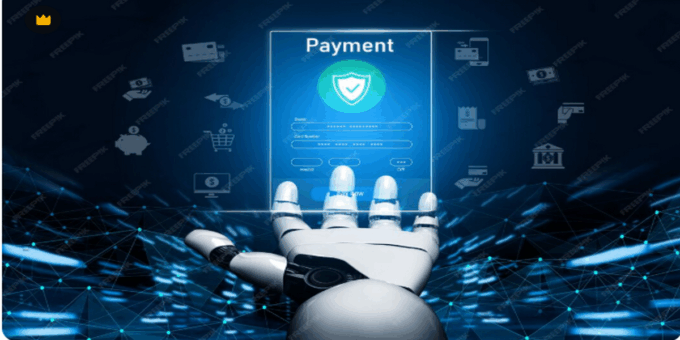
As online shopping expands, so do threats targeting digital stores. Understanding How to Use AI for E-commerce Security is essential for protecting customer data, boosting buyer confidence, and keeping your online business safe from fraud. Artificial intelligence is transforming the way e-commerce platforms handle risks by providing real-time detection, predictive analytics, and automated responses.
In this guide, you’ll learn practical ways to apply AI tools, how they defend your e-commerce website, and the steps to integrate advanced security systems. These strategies are designed for store owners, developers, and anyone looking to secure their digital operations.
Why Ecommerce Stores Need AI-Powered Security
Cyberattacks are becoming more advanced. Traditional security measures rely on static rules, which cybercriminals can easily bypass. AI, on the other hand, adapts and learns continuously. This makes it an excellent tool for detecting unusual behaviors, phishing attempts, and fraudulent transactions.
Before we explore How to Use AI for E-commerce Security, let’s highlight the main threats that online stores face:
1. Payment Fraud
Fraudulent transactions are one of the biggest issues in online shopping. AI can flag suspicious transactions and stop fraud before it affects your business.
2. Account Takeovers
Hackers use leaked credentials to access customer accounts. AI systems monitor login behavior and detect unusual login locations or patterns.
3. Bot Attacks
Bots scrape prices, overload servers, or perform credential stuffing. AI identifies non-human behavior in real time.
4. Data Breaches
AI tools predict vulnerabilities and identify unusual data access requests, reducing the risk of breaches.
How AI Enhances E-commerce Security
Understanding How to Use AI for E-commerce Security requires learning how AI works behind the scenes. AI security systems process massive amounts of data faster than humans, allowing them to detect hidden patterns.
1. Real-Time Fraud Detection
AI systems evaluate every transaction in milliseconds. They analyze device type, IP location, user behavior, and buying patterns. This helps e-commerce stores reduce false declines and block high-risk activities.
Platforms like ecommerce security tools provide detailed insights into fraud prevention and cybersecurity practices for digital businesses.
2. Behavior Analysis
Behavioral biometrics allow AI to identify unusual customer activities. For example, if a buyer suddenly logs in from a different country or uses a new device, the system can flag the session.
3. AI-Powered Chatbots for Safety
Chatbots don’t just improve customer support. They also identify suspicious queries or phishing attempts. When trained properly, chatbots can detect malicious input patterns and block harmful interactions.
4. Predictive Analytics
AI predicts potential threats based on historical data. This helps store owners fix vulnerabilities before attackers exploit them.
5. Automated Incident Response
If a threat is detected, AI systems automatically block users, restrict transactions, and alert administrators. This rapid response prevents financial loss.
How to Use AI for E-commerce Security: Step-by-Step
Here’s how e-commerce site owners can implement AI systems effectively:
1. Install AI Fraud Prevention Tools
Many e-commerce platforms integrate with automated fraud detection apps. These tools use machine learning to score each transaction and prevent fraudulent activities.
Consider reading more about secure payments at fraud protection systems to understand which AI tools fit your business.
2. Use AI-Powered Firewalls
AI firewalls block bots, detect malicious traffic, and analyze visitor behavior. They adapt to new threats without needing manual updates.
3. Implement AI for Identity Verification
AI-based KYC tools verify user identity through biometrics, document scanning, and facial recognition. This helps prevent account takeovers.
4. Add AI to Your Email Security
AI filters phishing emails by examining tone, word patterns, and suspicious links. This protects employees from clicking harmful content.
5. Use AI for Product and Review Monitoring
Fake reviews damage trust. AI can scan comments, detect spam, and remove fake reviews. This improves brand credibility.
6. Secure Your Dropshipping and Affiliate Sites
If you’re running a dropshipping business or affiliate marketing site, AI security is essential. These models deal with multiple vendors and external traffic sources. AI helps secure digital assets and ensures safe transactions.
Whether you’re comparing affiliate vs dropshipping or seeking new ways to build passive income, AI can improve trust and reduce risks for customers.
Best AI Tools for E-commerce Security
Below are trusted AI-powered tools suitable for any online store:
1. Sift
An AI fraud detection platform that identifies high-risk transactions and protects your checkout flow.
2. Cloudflare Bot Management
Stops malicious bots and secures your website from scraping and attacks.
3. Kount
A leading AI system that provides real-time fraud detection and identity verification.
4. Darktrace
Uses self-learning AI to detect advanced cyber threats and unusual network activity.
Using AI for Better Customer Experience and Security
When used correctly, AI doesn’t just secure your store; it also improves customer experience. For example:
- Personalized product recommendations
- Faster customer service
- Secure checkout process
- Protection against fake accounts and bots
This gives your store a competitive edge and builds customer loyalty.
Internal Best Practices for AI Security
Implementing AI tools is not enough. You must also follow internal security best practices. Combine AI with:
- Two-factor authentication
- Strong encryption
- Regular software updates
- Employee cybersecurity training
- Zero-trust policies
These steps strengthen your overall security framework.
How to Use AI for E-commerce Security to Grow Your Business
When customers know your online store is safe, they feel more confident buying from you. Security plays a crucial role in increasing conversions, reducing chargebacks, and building long-term trust.
Whether you’re growing an online business, exploring new monetization models like affiliate marketing, or expanding your dropshipping business, security is essential. AI makes it easier to stay protected while focusing on growth.
To learn more about advanced cybersecurity practices, check out AI cybersecurity solutions, a trusted resource for enterprise-level digital protection.
Final Thoughts
Now that you understand How to Use AI for E-commerce Security, it’s time to implement these tools and strategies in your store. AI gives you a smarter, faster way to fight digital threats, protect customer data, and enhance your brand reputation.
With the right AI systems, your e-commerce store can thrive securely in a competitive digital world.
