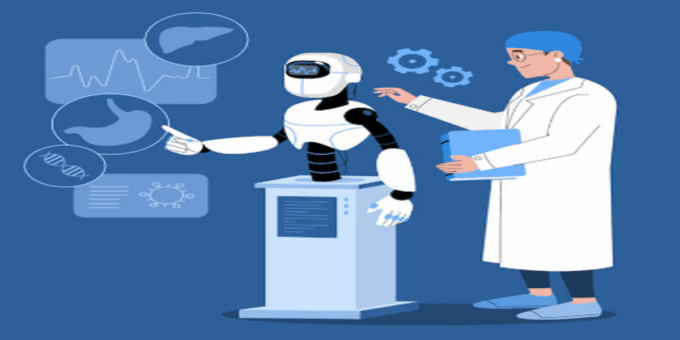
The healthcare industry is changing fast, and artificial intelligence is at the center of that transformation. Understanding How to Use AI in Healthcare Systems is crucial for improving patient care, reducing medical errors, and increasing the efficiency of hospitals and clinics worldwide. AI-driven tools help doctors diagnose diseases earlier, automate administrative tasks, and analyze massive datasets with accuracy.
This guide explains how AI works in healthcare, the best tools available, and practical ways to integrate it into your medical practice or organization. Whether you manage a clinic, operate an online business in health tech, or work in digital transformation, these insights will help you get ahead of the curve.
Why Healthcare Systems Need AI
Healthcare providers deal with millions of data points. Manual analysis leaves room for errors and delays. AI processes information instantly. It learns from patterns and predicts outcomes with higher accuracy than traditional systems.
Before diving deeper into How to Use AI in Healthcare Systems, let’s look at the major challenges AI helps solve:
1. Diagnostic Errors
Mistakes in diagnosis can lead to improper treatment. AI-powered diagnostic tools analyze symptoms, lab reports, and imaging scans to support clinical decisions.
2. Administrative Overload
Doctors spend large amounts of time on paperwork. AI automates scheduling, billing, coding, and insurance verification.
3. Rising Healthcare Costs
AI helps reduce costs by streamlining workflows, minimizing duplicate tests, and improving operational efficiency.
4. Data Management Issues
Hospitals generate vast amounts of data. AI organizes and analyzes this information to create actionable insights.
How AI Improves Healthcare Operations
To understand How to Use AI in Healthcare Systems, it’s important to identify how it supports both clinical and administrative functions.
1. AI in Medical Imaging
AI tools interpret X-rays, MRIs, and CT scans with high accuracy. They detect tumors, fractures, and abnormalities earlier than humans in many cases.
Learn more about advanced AI imaging technologies at AI medical imaging research.
2. Predictive Analytics for Disease Prevention
AI analyzes patient history, lifestyle patterns, and genetic data to predict risks for conditions like diabetes, heart disease, or cancer. Early detection leads to better outcomes.
3. AI in Drug Development
Traditional drug discovery takes years. AI accelerates the process by simulating chemical reactions and predicting successful compounds. This reduces costs and speeds up clinical trials.
4. Virtual Health Assistants
AI chatbots answer medical questions, schedule appointments, and guide patients through basic care instructions. They reduce the workload of medical staff and support continuous patient engagement.
5. Electronic Health Record Automation
AI extracts key information from EHRs and maintains accurate, organized records. This prevents data errors and improves communication between departments.
How to Use AI in Healthcare Systems: Practical Implementation Steps
Here are the most effective ways to integrate AI into healthcare workflows:
1. Introduce AI-Powered Scheduling Systems
AI monitors patient flow and schedules appointments efficiently. This reduces wait times and improves patient satisfaction.
For advanced scheduling automation, explore AI healthcare management tools, which are widely used across hospitals.
2. Use AI for Clinical Decision Support
AI suggests treatment plans based on symptoms and historical data. It helps doctors cross-check diagnoses and identify rare conditions.
3. Adopt AI Monitoring Devices
Wearable devices track heart rate, oxygen levels, and blood sugar. AI analyzes the data and alerts care teams in emergencies.
4. Streamline Billing and Claims with AI
AI reduces errors in insurance claims and detects possible fraud. This improves revenue cycle management for hospitals.
5. Train Medical Staff to Use AI Tools
AI adoption requires proper training. Staff must learn how to interpret AI recommendations and input accurate data.
6. Use AI for Telemedicine Platforms
Telehealth is increasingly popular. AI enhances virtual consultations by analyzing patient speech, identifying symptoms, and recommending tests.
AI and the Future of Personalized Medicine
One of the biggest opportunities is personalized care. Instead of one-size-fits-all treatment, AI analyzes individual genetics, lifestyle, and medical history to create tailored health plans.
This shift improves outcomes and reduces unnecessary procedures. Personalization is also relevant for health-related online business models such as health coaching or wearable tech companies.
The Role of AI in Public Health Systems
AI supports governments and organizations in predicting outbreaks, tracking disease spread, and improving vaccination strategies.
For reliable global health resources, check AI in public health for evidence-based guidelines.
Ethical Considerations When Using AI in Healthcare
While AI improves efficiency, ethical concerns must be addressed:
- Patient data privacy
- Transparency in AI decision-making
- Algorithm bias
- Accountability and regulatory compliance
Healthcare leaders should work with trusted vendors and follow strict compliance standards like HIPAA and GDPR.
How AI Supports Medical Researchers
AI tools analyze clinical trial data, identify correlations, and speed up research outcomes. This helps researchers discover new cures, vaccines, and treatments faster.
AI also supports universities, laboratories, and biotech startups looking to scale their innovations. Many health researchers operate hybrid models similar to online business strategies, where tools support automation, efficiency, and accelerated growth.
AI in Healthcare and Its Impact on Business Models
AI is not just for hospitals. It enables new monetization models that resemble affiliate marketing, tech automation strategies, and subscription models.
Examples include:
- AI health coaching platforms
- Wearable device subscription plans
- Home health monitoring services
- Virtual clinics
Digital entrepreneurs, including those familiar with affiliate vs dropshipping, can expand into health tech. AI-powered tools help create scalable and trustworthy services.
Best AI Tools for Healthcare Systems
Here are several AI tools commonly used in modern healthcare:
1. Google DeepMind Health
Used for diagnostics, predictive analytics, and hospital workflow optimization.
2. IBM Watson Health
Specializes in clinical data management, imaging analysis, and personalized medicine.
3. Nuance Dragon Medical
A powerful AI speech recognition tool for doctors and nurses.
4. PathAI
Improves pathology accuracy and speeds up lab analysis.
5. Tempus
Analyzes genomic data for advanced cancer treatments.
How to Use AI in Healthcare Systems to Improve Patient Care
The ultimate goal of AI in healthcare is patient well-being. AI reduces errors, improves diagnosis accuracy, and makes healthcare more accessible. It automates time-consuming tasks so medical staff can focus on patients.
Whether you run a hospital, a clinic, or a healthcare-related dropshipping business, AI offers opportunities to grow, improve, and innovate. Healthcare will continue moving toward automation, remote care, and personalized medicine.
Final Thoughts
Now that you understand How to Use AI in Healthcare Systems, you can begin applying these tools to improve efficiency, accuracy, and patient outcomes. AI is not replacing healthcare professionals. Instead, it enhances their abilities and empowers them to deliver better care.
By combining ethical practices, training, and modern AI tools, the healthcare industry can reach new levels of safety, innovation, and patient satisfaction.
For more insights on digital healthcare, visit health IT resources, a trusted government source for health technology guidance.
