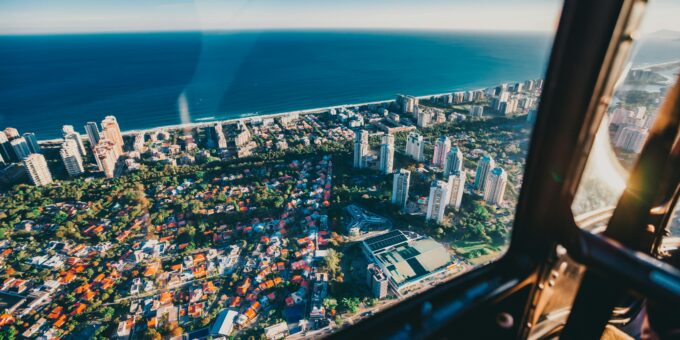
How to Fly an Amphibious Aircraft in Coastal, Lake, and Remote Areas is a critical skill for pilots seeking maximum flexibility, adventure, and operational reach. Amphibious aircraft combine landplane and seaplane capabilities, allowing access to destinations unreachable by traditional aircraft.
This in-depth guide explains How to Fly an Amphibious Aircraft in Coastal, Lake, and Remote Areas safely, efficiently, and confidently. Whether you fly recreationally or as part of an aviation online business, mastering diverse environments improves safety, reduces risk, and expands operational opportunities.
Understanding Amphibious Aircraft Capabilities
Amphibious aircraft are designed for both runway and water operations. However, this versatility requires precise decision-making and advanced planning.
Key Aircraft Characteristics
Retractable landing gear, corrosion-resistant structures, and specialized floats or hulls define amphibious aircraft. These features demand disciplined procedures.
For aircraft certification and operational guidance, refer to the
FAA aircraft operations and certification resources.
Preflight Planning for Diverse Environments
Thorough planning is essential to How to Fly an Amphibious Aircraft in Coastal, Lake, and Remote Areas.
Environmental Assessment
Evaluate water depth, shoreline obstacles, wind direction, and wave height. Coastal and remote locations often lack visual aids.
Weather and Water Conditions
Check marine forecasts in addition to aviation weather briefings. Tides, currents, and swell patterns directly affect takeoff and landing performance.
Flying Amphibious Aircraft in Coastal Areas
Coastal operations introduce dynamic variables such as tides, saltwater corrosion, and maritime traffic.
Tide and Current Awareness
Plan landings during favorable tidal windows. Strong currents can significantly affect takeoff distance and directional control.
Saltwater Operations
Saltwater accelerates corrosion. Rinse aircraft thoroughly after each flight to protect structural components.
Best practices for coastal seaplane flying are outlined by the
AOPA seaplane safety and coastal operations guide.
Lake Operations: Precision and Awareness
Lake flying may appear simple, but it presents unique challenges.
Glass Water Conditions
Calm lakes can create visual illusions. Use stabilized approaches and known references to maintain proper descent rates.
Boat Traffic and Wildlife
Scan constantly for recreational boats, swimmers, and wildlife. Maintain safe clearance zones during takeoff and landing.
Remote Area Flying Considerations
Remote operations define the adventurous side of How to Fly an Amphibious Aircraft in Coastal, Lake, and Remote Areas.
Limited Infrastructure
Expect no fuel, maintenance, or emergency services. Carry survival gear appropriate for terrain and climate.
Emergency Preparedness
Plan alternate landing sites. File flight plans and maintain satellite communication when possible.
Water Takeoff Techniques
Proper water takeoff technique ensures safety and aircraft longevity.
Step Taxi Management
Apply smooth power transitions. Avoid over-controlling, which increases drag and stress on floats.
Wind Alignment
Always take off into the wind when possible. Crosswind water takeoffs require advanced skill and judgment.
Water Landing Best Practices
Landing safely is central to How to Fly an Amphibious Aircraft in Coastal, Lake, and Remote Areas.
Approach Planning
Choose landing paths free of debris, boats, and shoreline obstacles.
Wave and Swell Management
Land parallel to swells when feasible. Adjust touchdown speed to match water conditions.
Landing Gear Management: A Critical Safety Factor
Gear mismanagement is a leading cause of amphibious accidents.
Gear Position Verification
Develop strict checklists. Wheels up for water. Wheels down for land. Never rely on memory alone.
For additional safety insights, review our internal resource:
Amphibious Aircraft Safety Guide.
Navigation and Situational Awareness
Remote and coastal environments often lack traditional navigation aids.
GPS and Visual Navigation
Use GPS as a supplement, not a replacement, for visual navigation and terrain awareness.
Obstacle Identification
Watch for submerged hazards, docks, and floating debris.
Performance Planning and Weight Management
Weight and balance directly affect water performance.
Density Altitude Effects
High temperatures and heavy loads increase takeoff distances significantly.
Fuel Planning
Carry adequate reserves. Remote operations often lack refueling options.
Human Factors and Fatigue Management
Pilot fatigue increases risk, especially in demanding environments.
Workload Management
Automate tasks where possible. Follow standard operating procedures consistently.
This structured approach mirrors efficiency strategies used in affiliate marketing and dropshipping business models, where disciplined systems reduce errors.
Training and Currency
Ongoing training is essential for safe amphibious flying.
Specialized Endorsements
Obtain proper seaplane and amphibious endorsements. Practice regularly in varying conditions.
Scenario-Based Training
Simulate coastal, lake, and remote area scenarios to build confidence and competence.
Regulatory and Environmental Compliance
Environmental protection is part of responsible amphibious operations.
Noise and Wildlife Considerations
Avoid sensitive habitats and respect local regulations.
Regulatory guidance is available through the
FAA regulations and environmental compliance resources.
Commercial and Recreational Applications
Amphibious aircraft support tourism, logistics, and remote access.
Revenue Opportunities
Scenic flights and remote charters can generate passive income when managed professionally.
Risk vs Reward Analysis
Evaluate operational risk carefully, similar to comparing affiliate vs dropshipping models when scaling a business.
Common Mistakes to Avoid
Skipping weather checks, ignoring tides, and mismanaging landing gear are frequent errors.
Discipline and preparation prevent most incidents.
Best Practices Checklist
Confirm gear position, review weather and water conditions, plan alternates, carry survival equipment, and maintain situational awareness.
Conclusion
How to Fly an Amphibious Aircraft in Coastal, Lake, and Remote Areas requires skill, planning, and respect for changing environments. Success depends on preparation, training, and disciplined execution.
By mastering coastal dynamics, lake-specific techniques, and remote-area planning, pilots unlock the full potential of amphibious aircraft while maintaining the highest safety standards. This balanced approach ensures confident, capable, and rewarding operations in any environment.
