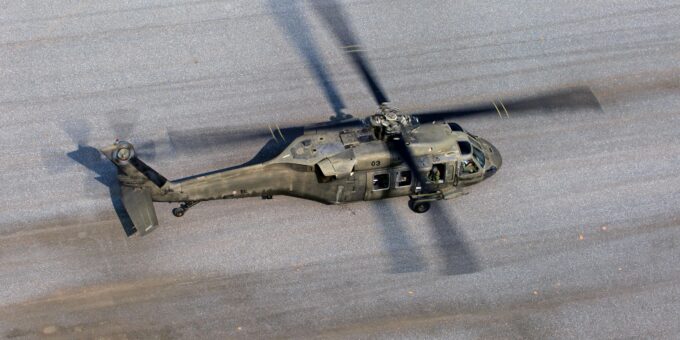
How to Compare Military vs Civilian Search and Rescue Aircraft is an important topic for aviation professionals, policymakers, and disaster-response planners. Both military and civilian search and rescue (SAR) aircraft save lives, but they operate under different missions, budgets, and operational constraints.
Knowing how these aircraft differ helps governments choose the right assets, improves coordination during emergencies, and supports smarter investments in rescue technology. This guide breaks down performance, technology, cost, mission scope, and future trends in a clear and practical way.
What Is Search and Rescue Aviation?
Search and rescue aviation refers to aircraft specifically used to locate, assist, and evacuate people in distress. These missions occur during natural disasters, maritime accidents, aviation incidents, and humanitarian crises.
When analyzing How to Compare Military vs Civilian Search and Rescue Aircraft, the first step is understanding that both serve the same life-saving purpose but approach it differently.
Core SAR Mission Objectives
SAR aircraft focus on rapid response, accurate search capability, and safe extraction. They must operate in difficult weather, low visibility, and remote areas where ground access is limited or impossible.
Overview of Military Search and Rescue Aircraft
Military SAR aircraft are designed for extreme conditions and high-risk missions. They often operate in combat zones, hostile environments, or disaster areas with damaged infrastructure.
Examples include helicopters like the HH-60 Pave Hawk and fixed-wing aircraft adapted for long-range rescue operations.
Key Strengths of Military SAR Aircraft
Military aircraft offer superior durability, longer range, and advanced defensive systems. They can fly in severe weather and land in challenging terrain.
Organizations such as the US Air Force combat search and rescue operate aircraft equipped with night vision, in-flight refueling, and advanced medical systems.
Limitations of Military SAR Aircraft
Despite their capabilities, military SAR aircraft are expensive to operate. They also require highly trained crews and complex logistics, which may limit availability for routine civilian rescues.
Overview of Civilian Search and Rescue Aircraft
Civilian SAR aircraft are operated by coast guards, emergency services, and humanitarian organizations. Their focus is public safety, disaster response, and routine emergency operations.
In How to Compare Military vs Civilian Search and Rescue Aircraft, civilian platforms are often evaluated for efficiency and cost-effectiveness.
Key Strengths of Civilian SAR Aircraft
Civilian aircraft are optimized for frequent missions. They are easier to maintain and less expensive to operate. This makes them ideal for daily rescue operations.
Agencies like the US Coast Guard search and rescue aviation rely heavily on helicopters and fixed-wing aircraft designed for maritime rescues.
Limitations of Civilian SAR Aircraft
Civilian SAR aircraft may lack the heavy armor, advanced sensors, or long-range capabilities of military platforms. Their operations can also be restricted by airspace regulations and budget constraints.
Performance Comparison: Military vs Civilian SAR Aircraft
Performance is a major factor when learning How to Compare Military vs Civilian Search and Rescue Aircraft. Speed, range, payload, and endurance vary significantly.
Speed and Range
Military SAR aircraft generally fly faster and farther. They are built for long-distance missions without refueling. Civilian aircraft prioritize efficiency over extreme range.
Payload and Medical Capability
Military aircraft can carry more personnel and heavier medical equipment. Civilian aircraft focus on rapid evacuation and basic life support.
Technology and Equipment Differences
Technology plays a critical role in SAR success. Military aircraft typically feature more advanced systems.
Sensors and Surveillance
Military platforms use high-end radar, thermal imaging, and electronic surveillance. Civilian aircraft rely on proven but less complex sensor systems.
International guidance from ICAO search and rescue standards helps align both sectors for coordinated missions.
Communication and Navigation
Military SAR aircraft use encrypted communication and satellite navigation. Civilian aircraft depend on public aviation networks and GPS-based systems.
Operational Costs and Budget Considerations
Cost is often the deciding factor in SAR fleet planning. Understanding expenses is essential in How to Compare Military vs Civilian Search and Rescue Aircraft.
Acquisition and Maintenance Costs
Military SAR aircraft are significantly more expensive to purchase and maintain. Civilian aircraft offer lower lifecycle costs and simpler logistics.
Training and Crew Requirements
Military crews undergo extensive tactical training. Civilian pilots and rescue teams focus on medical response and public safety missions.
Mission Scope and Use Cases
Military SAR aircraft are designed for both peacetime and combat operations. Civilian aircraft handle daily emergencies and disaster response.
This difference mirrors how an online business scales operations. A complex system may handle extreme cases, while a streamlined model supports everyday needs.
Just as entrepreneurs evaluate affiliate vs dropshipping models for sustainability, governments assess SAR aircraft based on mission demand, cost, and efficiency.
Coordination Between Military and Civilian SAR Units
In large-scale disasters, military and civilian SAR units often work together. Coordination improves coverage and response time.
Humanitarian organizations such as the International Federation of Red Cross disaster response frequently collaborate with both sectors.
Future Trends in SAR Aviation
The future of SAR aviation includes unmanned aerial systems, artificial intelligence, and hybrid aircraft designs. These innovations will benefit both military and civilian fleets.
Efficiency gains in SAR aviation are similar to building passive income streams through smart systems. Whether in affiliate marketing or a dropshipping business, automation and data improve outcomes.
Choosing the Right SAR Aircraft for the Mission
There is no universal answer. Military SAR aircraft excel in extreme conditions. Civilian SAR aircraft dominate routine rescue operations.
Understanding How to Compare Military vs Civilian Search and Rescue Aircraft helps decision-makers match capabilities to real-world needs.
Conclusion: A Balanced Approach Saves More Lives
Both military and civilian SAR aircraft are essential. Their strengths complement each other. When used together, they form a resilient rescue network.
By clearly understanding How to Compare Military vs Civilian Search and Rescue Aircraft, governments and organizations can improve response times, reduce costs, and ultimately save more lives.
For deeper insight, read our internal analysis on types of search and rescue aircraft and how they are deployed worldwide.
