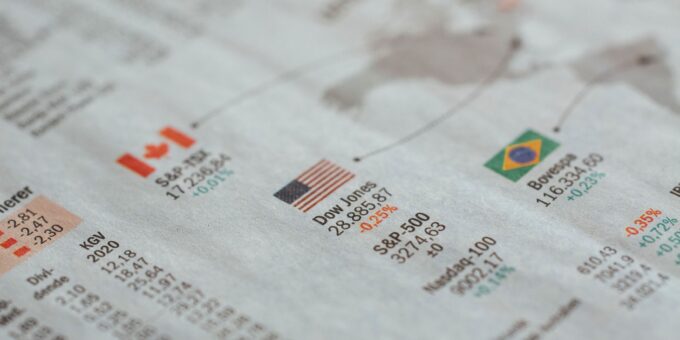
The global economy is changing faster than ever before. Technology, government policies, demographic shifts, and sustainability goals are transforming industries across every continent. Understanding these changes can help investors, entrepreneurs, and business owners make smarter decisions for the future.
In this guide, we explore 10 Economic Trends That Will Shape the Future of Global Markets. These powerful trends influence international trade, investment opportunities, consumer behavior, and business strategies. Whether you are building an online business, growing your investment portfolio, or looking for passive income opportunities, these insights can help you prepare for tomorrow’s economy.
1. Artificial Intelligence Will Transform Every Industry
Artificial Intelligence (AI) is no longer limited to technology companies. Healthcare, finance, manufacturing, education, logistics, and retail are rapidly adopting AI-powered solutions to increase efficiency and reduce operational costs.
Businesses that embrace automation will likely gain a competitive advantage. AI also creates new investment opportunities while replacing repetitive jobs with higher-value positions.
To understand how AI is influencing the global economy, visit
Artificial Intelligence and the Future of the Economy.
Many entrepreneurs are already using AI tools to build an online business and automate customer support, marketing, and content creation.
2. Green Energy Will Drive Economic Growth
Governments worldwide continue investing billions into renewable energy projects. Solar, wind, hydrogen, and battery technologies are attracting significant public and private investment.
The transition toward clean energy creates new jobs, expands infrastructure, and encourages innovation. Companies that adapt to environmental regulations are expected to outperform competitors in the coming decade.
Learn more from
Global Energy Market Analysis.
3. Digital Currencies and FinTech Expansion
Digital payments have become the preferred transaction method for millions of consumers. At the same time, central banks continue researching digital currencies while blockchain technology improves financial transparency.
FinTech companies are simplifying international transactions, reducing banking costs, and expanding financial services to underserved populations.
Reliable financial updates are available through
Global Financial Stability Reports.
4. Global Supply Chains Are Being Restructured
The pandemic exposed weaknesses in global supply chains. As a result, companies are diversifying manufacturing locations and reducing dependence on a single country.
Regional production hubs are becoming increasingly important, improving resilience while reducing transportation risks.
If your website covers business strategy, you can also explore our guide on
Supply Chain Management Strategies.
5. Inflation Will Continue Influencing Consumer Spending
Inflation remains one of the biggest economic concerns worldwide. Rising prices affect household budgets, interest rates, and investment decisions.
Central banks continue adjusting monetary policies to maintain price stability. Businesses that effectively manage costs can remain competitive during inflationary periods.
Understanding inflation is essential for investors seeking long-term financial growth.
6. Remote Work Is Reshaping Global Labor Markets
Remote work has permanently changed employment. Companies now hire talented professionals from different countries, increasing competition while expanding opportunities.
Digital collaboration tools allow businesses to operate efficiently without geographical limitations.
This trend also enables individuals to generate passive income by creating digital products, online courses, and freelance businesses.
7. Emerging Markets Will Become Major Economic Powers
Countries across Asia, Africa, and Latin America continue experiencing rapid economic growth. Expanding middle-class populations increase consumer demand for technology, healthcare, education, and financial services.
Investors increasingly diversify portfolios by exploring opportunities in emerging economies.
Economic research from
Global Economic Development Reports
provides valuable insights.
8. E-Commerce Will Continue Expanding
Online shopping continues to replace traditional retail across many industries. Faster delivery, secure payment systems, and mobile commerce encourage consumers to purchase products online.
Many entrepreneurs compare affiliate vs dropshipping before launching an eCommerce venture. While both business models offer flexibility, each has different startup costs and profit structures.
Those interested in building an affiliate marketing website often combine SEO, content marketing, and social media to generate consistent revenue. Others prefer launching a dropshipping business because inventory management remains minimal.
You may also find our article on
Affiliate Marketing for Beginners
helpful.
9. Aging Populations Will Influence Economic Policies
Many developed countries face aging populations and declining birth rates. Governments must address healthcare spending, pension systems, and workforce shortages.
Meanwhile, younger populations in developing economies provide opportunities for long-term business expansion and consumer growth.
10. Cybersecurity Will Become an Economic Priority
As businesses become increasingly digital, cybersecurity investments continue rising. Data protection, cloud security, and digital identity verification have become essential components of modern business operations.
Companies that prioritize cybersecurity strengthen customer trust while reducing financial risks associated with cyberattacks.
For cybersecurity best practices, visit
Cybersecurity Resources and Guidance.
How Businesses Can Prepare for These Economic Trends
Understanding 10 Economic Trends That Will Shape the Future of Global Markets is only the beginning. Businesses should continuously monitor industry developments, invest in digital transformation, diversify revenue streams, and strengthen financial resilience.
Entrepreneurs can also benefit by creating multiple income sources through affiliate marketing, launching an online business, or developing digital products that generate passive income. Evaluating affiliate vs dropshipping carefully helps determine which business model aligns with long-term goals.
Final Thoughts
The future of global markets will be shaped by technology, sustainability, digital finance, changing demographics, evolving supply chains, and innovation. Businesses and investors who remain informed and adaptable will be better positioned to seize new opportunities.
By understanding 10 Economic Trends That Will Shape the Future of Global Markets, you can make more informed financial decisions, build resilient business strategies, and prepare for long-term economic success in an increasingly interconnected world.
