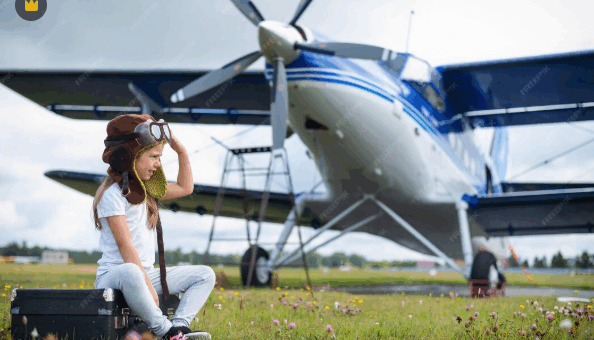
Choosing your first plane is an exciting milestone in your aviation journey. In this guide, we’ll walk you through How to Choose the Perfect Light Aircraft for Beginners. From understanding your mission to researching models and costs, we’ll cover every key step so you make an informed, confident choice.
Understanding Your Flying Goals
Before searching listings or visiting airports, you must define your flying goals. These goals shape what type of aircraft fits you best. Ask yourself:
- Why am I buying a plane? (training, recreational flying, travel)
- How often will I fly?
- Do I want to build hours toward advanced certificates?
Knowing your primary purpose for flying will influence your aircraft choice and help narrow options efficiently.
Types of Light Aircraft for Beginners
There are several categories that beginner pilots often consider. Each has different licensing, costs, and flying characteristics.
Light Sport Aircraft (LSA)
Light Sport Aircraft overview — LSAs are one of the most beginner‑friendly options. They are limited to a max takeoff weight of 1,320 lbs (1,430 lbs for seaplanes), max level speed of 120 knots, fixed gear, and usually a single engine. LSAs simplify flying and training under the Sport Pilot certificate while keeping costs relatively reasonable. :contentReference[oaicite:0]{index=0}
Ultralight Aircraft
Ultralights are the most basic aircraft and often do not require a pilot certificate (in the US under FAA Part 103), making them a low‑barrier entry point for pure recreational flying. :contentReference[oaicite:1]{index=1}
Single‑Engine Piston Aircraft
These remain the primary category for private pilots. Models like the Cessna 172 are used in training because of forgiving flight characteristics and widespread support. :contentReference[oaicite:2]{index=2}
Key Factors in Choosing Your First Aircraft
1. Budget and Cost of Ownership
Aircraft aren’t just about the purchase price — operating costs like fuel, maintenance, insurance, hangar fees, and annual inspections matter too. Many LSAs can cost less in fuel and maintenance compared to larger general aviation aircraft. :contentReference[oaicite:3]{index=3}
2. Pilot Experience and Training
The best aircraft for a beginner should match your skill level. Trainers with stable handling and forgiving controls are ideal. If you plan to build hours toward advanced ratings, choosing a plane that also supports that path is wise. Pilot Training Tips
Also consider aircraft that have a strong community and plenty of flight schools nearby — this ensures you won’t struggle to find instructors or lessons.
3. Useful Load and Capacity
“Useful load” refers to how much weight your aircraft can safely carry (pilot, passenger, fuel, and baggage). If you want to carry another person and fuel for cross‑country flights, your aircraft must have adequate useful load. :contentReference[oaicite:4]{index=4}
4. Safety Features and Handling
Beginners should look for aircraft with good stability, predictable stalls, visible cockpits, and easy ground handling. Higher wing aircraft, for example, often offer better stability and are easier to see over during flight. Some trainers even include modern safety gear like parachute systems. :contentReference[oaicite:5]{index=5}
5. Availability of Support and Parts
Popular aircraft have strong support networks, easier access to parts, and experienced maintenance professionals. This can reduce downtime and unexpected expenses. Check owner communities and forums — they often provide invaluable real‑world insight. AOPA Aircraft Guide is a great place to explore aircraft models and specs. :contentReference[oaicite:6]{index=6}
Research Aircraft Models for Beginners
Here are some aircraft commonly recommended for beginner pilots:
- Cessna 172 — a classic trainer with stable flight characteristics. :contentReference[oaicite:7]{index=7}
- Flight Design CTLS — a popular LSA with modern features. :contentReference[oaicite:8]{index=8}
- Tecnam P92 — simple and dependable for training. :contentReference[oaicite:9]{index=9}
- Van’s RV‑12 (LSA) — versatile and fun to fly. :contentReference[oaicite:10]{index=10}
- Aeroprakt A‑22 — panoramic visibility and easy handling. :contentReference[oaicite:11]{index=11}
Choosing between new and used aircraft depends on your budget. Used airplanes can offer cost savings but require careful inspection.
Conducting a Pre‑Purchase Inspection
Never buy an aircraft, especially as a beginner, without a thorough pre‑purchase inspection by a qualified mechanic. This should include:
- Engine condition checks
- Airframe and control surface inspections
- Logbook review for maintenance and repairs
A written pre‑purchase inspection report can reveal hidden flaws and give you negotiating leverage. :contentReference[oaicite:12]{index=12}
Joining Communities and Flight Clubs
One of the smartest things a new pilot can do is join a flight club or aviation forum. Clubs provide opportunities to:
- Rent different aircraft before buying
- Network with experienced pilots
- Get recommendations on aircraft models and maintenance
Many pilots find communities to be a long‑term resource that pays dividends in safety and confidence. Connect with other pilots via local airport clubs or online groups — they often offer free advice and mentorship.
Test Flying Your Top Picks
Never finalize a purchase without a thorough test flight in your top options. Pay attention to:
- Comfort and visibility from the cockpit
- Climb rate and stall behavior
- Ease of takeoff and landing
- Ergonomics of controls and avionics
During your test flights, it’s helpful to fly with an experienced pilot or instructor who can give objective feedback.
Conclusion: Make a Smart, Confident Decision
Choosing the right aircraft is a personal but structured process. By defining your flying mission, weighing budget and training needs, and researching models carefully, you’ll be prepared to answer How to Choose the Perfect Light Aircraft for Beginners with confidence.
Remember, don’t rush your decision. Your first aircraft should be safe, reliable, and suited to your current goals — and it should help you grow as a pilot over the coming years.
