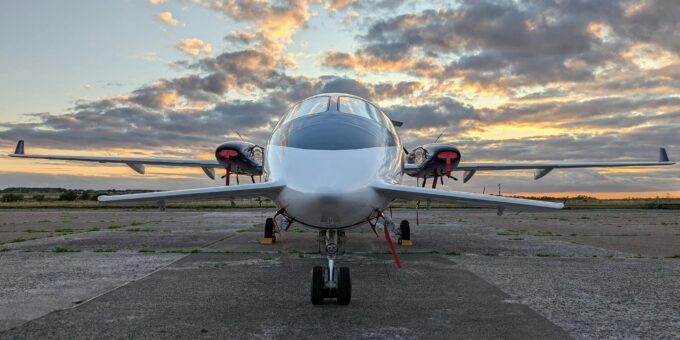
How to Choose the Right Floats and Landing Gear for an Amphibious Aircraft is a crucial consideration for pilots who want to maximize safety, performance, and versatility. Amphibious aircraft operate on both water and land, and the right combination of floats and landing gear directly impacts handling, maintenance, and operational range.
This guide will walk you through How to Choose the Right Floats and Landing Gear for an Amphibious Aircraft in a structured, step-by-step manner. Whether you are a recreational pilot or managing an aviation online business, choosing correctly can prevent accidents, reduce operating costs, and improve efficiency.
Understanding Amphibious Aircraft Floats
Floats are the primary water-landing structures of amphibious aircraft. They come in various designs and materials, each suited for different operational needs.
Types of Floats
Common types include:
- Single-step floats: Lightweight, efficient, suitable for small aircraft and calm water operations.
- Multi-step floats: Designed for higher performance, rough water, and higher weight capacity.
- Integral floats: Built into the aircraft hull, providing additional buoyancy and stability.
Materials
Floats are typically made from aluminum, composite materials, or fiberglass. Aluminum is durable and repairable, while composites reduce weight and corrosion risks. Your choice affects maintenance and longevity.
Learn more about material benefits from
AOPA’s Seaplane Float Guide.
Understanding Landing Gear for Amphibious Operations
Landing gear must be compatible with both runways and water surfaces. The gear type affects takeoff performance, weight, and safety margins.
Types of Landing Gear
- Retractable tricycle gear: Common in modern amphibious aircraft. Allows smooth transition between land and water.
- Fixed gear: Simpler and lower maintenance but may reduce aerodynamic efficiency and add drag.
- Convertible gear: Some aircraft allow removable or modular gear for seasonal operations.
Gear Retraction Mechanisms
Hydraulic, mechanical, or electric retraction systems each have advantages and maintenance considerations. Hydraulic systems are powerful but require regular inspection, while electric systems are lighter and simpler but need reliable power management.
Key Factors to Consider When Choosing Floats
Selecting the right floats depends on operational needs, weight, and environmental conditions.
Weight and Payload Capacity
Floats add significant weight to the aircraft. Ensure the float system supports the aircraft’s maximum takeoff weight while leaving room for passengers and cargo.
Water Conditions
Calm lakes, coastal areas, and rough seas require different step designs and hull reinforcement. Multi-step floats handle choppy water better.
Durability and Maintenance
Aluminum floats are durable and easily repairable, while composites resist corrosion but may be harder to repair in remote areas. Regular inspection reduces unexpected downtime.
Key Factors to Consider When Choosing Landing Gear
Landing gear selection influences takeoff, landing, and overall operational flexibility.
Runway Requirements
Long paved runways allow lighter or fixed gear options. Short or unimproved strips may require more robust, retractable gear.
Weight and Balance
Gear weight affects aircraft performance, fuel efficiency, and payload. Consider trade-offs between strength and weight, similar to planning in affiliate vs dropshipping operations.
Maintenance Considerations
Complex retractable systems require regular checks, lubrication, and preventive maintenance. Fixed gear is simpler but less versatile.
Matching Floats and Gear for Optimal Performance
The right combination of floats and landing gear ensures safe, efficient operations.
Performance and Stability
Ensure float design supports water handling while the landing gear maintains runway stability. Incorrect matching can cause porpoising, hull damage, or gear failure.
Operational Versatility
Choose a system that balances weight, performance, and ease of maintenance. Pilots who operate from multiple environments benefit from modular or convertible systems.
Environmental and Operational Considerations
Weather, water type, and seasonal variations impact float and gear selection.
Saltwater vs Freshwater Operations
Saltwater accelerates corrosion. Aluminum or coated floats are better for long-term saltwater exposure, while composite materials can be ideal in freshwater lakes.
Temperature and Climate
Cold climates can affect hydraulic systems and gear operation. Ensure your chosen system functions reliably under your operational conditions.
Cost vs Value Considerations
Floats and landing gear are significant investments. Weigh initial cost against long-term maintenance, downtime, and resale value.
Initial Costs
High-quality floats and retractable gear cost more upfront but reduce maintenance headaches.
Operational Savings
Properly selected systems save fuel, reduce repair costs, and minimize safety risks.
Resources for Making an Informed Choice
Consult manufacturer recommendations, pilot reviews, and professional organizations for guidance.
Recommended external resource:
Seaplane Pilots Association Technical Resources
Another helpful guide:
FAA Aircraft Design and Approval Guidance
Additionally, internal reference:
Amphibious Aircraft Maintenance Guide
Conclusion
How to Choose the Right Floats and Landing Gear for an Amphibious Aircraft requires careful consideration of operational needs, water and runway conditions, weight, and maintenance. The right combination improves safety, performance, and efficiency while minimizing long-term costs.
Pilots who invest time in research and selection will enjoy smoother water landings, reliable runway operations, and overall peace of mind. Proper choice of floats and landing gear supports both recreational and commercial aviation activities, much like strategic planning in online business and affiliate marketing ensures sustainable success.
