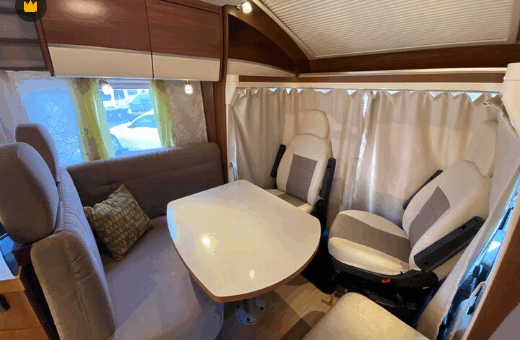
How to Customize Interiors in Your Light Aircraft is an exciting way to combine comfort, style, and functionality while flying. The interior of a light aircraft reflects both the pilot’s personality and the mission of the aircraft. Whether for personal enjoyment, corporate travel, or flight training, a well-designed interior enhances the flying experience and increases the resale value of your aircraft.
Much like optimizing an online business for efficiency and aesthetics, customizing aircraft interiors requires careful planning, selection of quality materials, and attention to detail.
Understanding the Benefits of Custom Interiors
Customizing the interior of your light aircraft offers several advantages:
- Comfort: Ergonomically designed seats, noise reduction, and climate control improve passenger and pilot comfort.
- Functionality: Tailored layouts optimize storage, seating, and instrument access.
- Style: Personalize colors, materials, and finishes to match your preferences.
- Resale Value: A modern and well-maintained interior can significantly increase the aircraft’s market value.
Explore inspiration and materials at
Aircraft Interiors International.
Planning Your Aircraft Interior Customization
Proper planning is key to a successful customization project.
Define Objectives
Ask yourself what you want to achieve:
- Enhanced passenger comfort for long flights
- Improved pilot ergonomics and instrument access
- Luxury aesthetics for corporate or private use
- Durability and ease of cleaning for training aircraft
Set a Budget
Interior customization can vary from minor upholstery changes to full cabin redesigns. Allocate funds for materials, labor, and certification if necessary.
Use tools like
FAA design and modification guidelines
to ensure your budget also covers regulatory compliance.
Assess the Aircraft Layout
Evaluate seating arrangement, storage, instrument panel, and cabin space. Determine whether modifications will affect weight, balance, or flight performance.
Choosing Materials for Your Aircraft Interior
Selecting the right materials is critical for safety, durability, and aesthetics.
Seats and Upholstery
Options include leather, synthetic leather, and high-quality fabrics. Consider comfort, wear resistance, and fire retardancy. Lightweight materials reduce overall aircraft weight.
Cabin Flooring
Options include carpet, vinyl, or composite materials. Durable, easy-to-clean flooring enhances safety and maintenance.
Panels and Trim
Customize side panels, instrument bezels, and trim using lightweight composites, wood veneers, or carbon fiber. Choose finishes that balance style with functionality.
Learn more about materials at
Aircraft Interior Materials Guide.
Improving Pilot and Passenger Comfort
Comfort impacts both flight safety and enjoyment.
Ergonomic Seating
Seats should support proper posture and provide adjustability. Consider lumbar support and headrests for longer flights.
Noise Reduction
Install soundproofing materials in the cabin panels and flooring to reduce engine and wind noise.
Climate Control
Air vents, heating, and cooling options enhance comfort. Lightweight, efficient systems help maintain cabin temperature without affecting aircraft performance.
Customizing Instrument Panels
The instrument panel is a critical area for pilot efficiency and safety.
Modern Avionics Integration
Upgrade to digital displays, glass cockpits, or multifunction screens. This improves situational awareness and streamlines cockpit operations.
Ergonomic Layout
Arrange instruments for quick visual scanning and ease of use. Group similar functions together for intuitive access.
Resources for avionics upgrades:
Garmin Aviation Systems.
Storage Solutions and Cabin Organization
Efficient storage enhances functionality and safety.
- Custom baggage compartments
- Under-seat storage bins
- Foldable trays and cup holders
- Secure mounts for laptops, tablets, or flight bags
Organization reduces clutter, allowing passengers and pilots to focus on the flight experience.
Lighting Enhancements
Lighting affects both aesthetics and visibility.
Ambient Lighting
Soft LED lighting improves passenger comfort during night flights.
Instrument Panel Lighting
Adjustable backlighting ensures clear instrument visibility without glare.
Safety Considerations
All interior modifications must meet safety and regulatory requirements.
- Use fire-retardant materials for upholstery and panels
- Ensure modifications do not affect emergency exits or safety equipment
- Maintain proper weight and balance within aircraft limits
Follow FAA certification requirements for modifications:
FAA Aircraft Interior Modifications.
Working with Professional Interior Designers
Professional aircraft interior designers can help transform your vision into reality while ensuring compliance.
- Custom design layouts for optimal space utilization
- Material selection for aesthetics, durability, and weight management
- Project management from concept to installation
Find certified designers at
Aircraft Interiors International Directory.
Maintenance and Long-Term Care
Custom interiors require proper care to maintain quality and value.
- Regular cleaning with manufacturer-recommended products
- Protect leather or fabric with conditioners and UV protectants
- Inspect and repair panels, trim, and fixtures periodically
Routine maintenance preserves both appearance and resale value, similar to nurturing a dropshipping business for consistent returns.
Conclusion
How to Customize Interiors in Your Light Aircraft combines comfort, functionality, and style. By planning carefully, choosing quality materials, enhancing ergonomics, and complying with safety regulations, you can create a personalized flying experience that suits your needs. Whether for personal enjoyment, corporate travel, or flight training, custom interiors improve both performance and satisfaction. Working with professionals, investing in durable materials, and performing regular maintenance ensures your aircraft interior remains functional, stylish, and safe for years to come.
