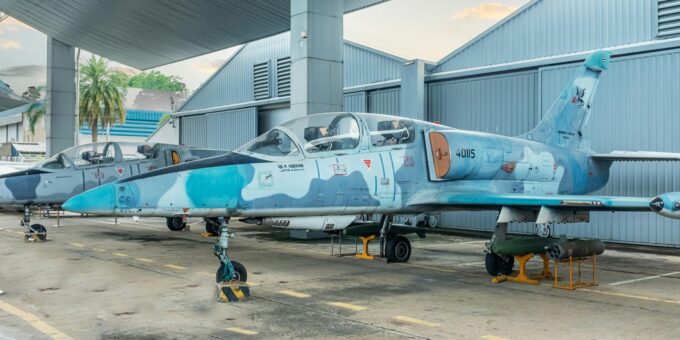
How to Increase the Lifespan of Your Ultralight Aircraft is a priority for every ultralight owner who wants safe, reliable, and affordable flying for years to come. Ultralight aircraft are simple by design, but that simplicity means wear, weather, and poor habits can shorten their service life quickly.
This comprehensive guide explains proven, practical strategies to extend the life of your ultralight aircraft. With consistent care, smart operation, and disciplined maintenance, you can protect your investment and enjoy confident flying season after season.
Why Ultralight Aircraft Lifespan Depends on Pilot Habits
Unlike certified aircraft, ultralights rely heavily on owner care. There are fewer regulatory inspections and no mandatory mechanic oversight. The pilot is responsible for longevity.
Learning How to Increase the Lifespan of Your Ultralight Aircraft is similar to building a sustainable online business. Long-term success comes from daily discipline, not shortcuts.
Follow a Consistent Maintenance Schedule
Routine Inspections Matter More Than You Think
Frequent inspections catch small problems before they become structural failures. Inspect critical components after every few flights and perform deeper checks regularly.
Guidance from the
Experimental Aircraft Association maintenance best practices highlights how routine care significantly extends aircraft life.
Track Hours and Wear Items
Keep a simple log of flight hours, engine run time, and component replacements. Even informal records help identify trends.
This system works like passive income. Once established, it keeps paying back in reliability.
Protect the Airframe from Environmental Damage
Store Your Ultralight Properly
Sun, moisture, and temperature swings degrade fabric, composites, and metal frames. Whenever possible, store your ultralight in a hangar or enclosed shelter.
If hangar space is unavailable, use high-quality covers designed for aircraft.
Prevent Corrosion and UV Damage
Inspect metal parts for corrosion and treat early signs immediately. UV exposure weakens fabric and composite materials over time.
Simple protective steps add years to your aircraft’s lifespan.
Operate the Engine with Longevity in Mind
Warm-Up and Cool-Down Procedures
Always allow the engine to warm up before applying full power. Sudden throttle increases on cold engines cause internal stress.
After flight, allow a short cool-down period. This protects bearings, seals, and exhaust components.
Use the Correct Fuel and Oil
Using the wrong fuel or oil accelerates engine wear. Follow manufacturer recommendations precisely.
Engine manufacturers such as
Rotax aircraft engine care guidelines provide detailed instructions that directly affect engine longevity.
Fly Smoothly and Within Design Limits
Avoid Aggressive Maneuvers
Ultralight aircraft are not designed for abrupt control inputs or high-load maneuvers. Smooth flying reduces stress on the airframe and control systems.
Gentle operation preserves structure and control integrity.
Respect Weight and Balance Limits
Operating above recommended weight accelerates fatigue in wings, landing gear, and engine mounts.
Managing limits wisely mirrors affiliate vs dropshipping. Small choices have long-term consequences.
Pay Special Attention to the Wing and Control Systems
Inspect Lift Surfaces Regularly
Wings carry the highest loads in flight. Inspect spars, ribs, and fabric for cracks, wrinkles, or looseness.
Addressing issues early prevents irreversible damage.
Maintain Control Cables and Linkages
Lubricate moving parts as recommended. Replace frayed cables immediately.
Reliable controls not only improve safety but also reduce wear caused by binding or misalignment.
Landing Gear Care and Ground Handling
Protect the Aircraft During Taxi and Landing
Rough landings and poor taxi technique strain landing gear and frame joints. Always land within your skill level and current conditions.
Good ground handling habits significantly extend aircraft life.
Inspect Wheels, Tires, and Suspension
Check tire pressure, bearings, and suspension components regularly. Worn parts transmit unnecessary vibration to the airframe.
Smooth landings protect more than just the gear.
Fuel System and Exhaust Longevity
Prevent Fuel System Degradation
Inspect fuel lines for cracking, stiffness, or leaks. Ethanol-blended fuels accelerate deterioration in some hoses.
Replacing fuel lines proactively avoids engine damage.
Monitor Exhaust System Health
Vibration and heat stress exhaust components. Inspect for cracks or loose mounts.
Exhaust failures can damage engines and nearby structures.
Electrical and Instrument Care
Protect Wiring from Vibration
Secure wiring away from sharp edges and moving parts. Vibration-induced chafing causes electrical failures.
Simple cable management extends system life.
Keep Instruments Accurate
Accurate engine and airspeed data help you operate within safe limits.
Faulty instruments lead to over-stressing the aircraft.
Weather Awareness and Operational Discipline
Avoid Harsh Flying Conditions
Ultralight aircraft are sensitive to turbulence, strong winds, and extreme temperatures.
Use trusted tools from
aviation weather planning resources to choose the best flying windows.
Know When Not to Fly
Choosing not to fly in marginal conditions prevents structural stress and potential damage.
This discipline is similar to running a successful affiliate marketing strategy. Knowing when to pause protects long-term gains.
Cleaning and Post-Flight Care
Remove Dirt, Bugs, and Debris
Clean the aircraft regularly. Dirt traps moisture and accelerates corrosion.
Bug residue on wings reduces lift and damages surfaces.
Post-Flight Inspections
A quick inspection after flight catches issues caused by vibration or landing stress.
Early detection keeps small problems manageable.
Upgrade Wisely and Avoid Overloading
Be Careful with Modifications
Adding accessories increases weight and stress. Only install upgrades that serve a clear purpose.
Document all changes for future reference.
Balance Performance and Longevity
Chasing maximum speed or power often shortens lifespan.
Smart upgrades focus on reliability and efficiency.
Community Support and Ongoing Learning
Learn from Other Ultralight Owners
Experienced pilots share valuable insights on maintenance and longevity.
Community knowledge helps avoid common mistakes.
Use Reliable Technical Resources
For structured guidance, refer to internal resources such as our
ultralight aircraft maintenance guide.
Continuous learning strengthens safety and durability.
Financial Benefits of Extending Aircraft Lifespan
Lower Long-Term Ownership Costs
Extending lifespan reduces repair expenses and replacement costs.
These savings compound like a well-managed dropshipping business.
Higher Resale Value
Well-maintained ultralights retain value and attract buyers.
Good records and visible care increase trust.
Final Thoughts on Increasing the Lifespan of Your Ultralight Aircraft
Mastering How to Increase the Lifespan of Your Ultralight Aircraft is about discipline, awareness, and respect for the machine. Every inspection, smooth landing, and smart decision adds time to your aircraft’s service life.
By protecting your ultralight from environmental damage, operating it within limits, and maintaining it consistently, you ensure safer flights and long-term enjoyment. Longevity is not accidental. It is the result of informed, responsible ownership.
