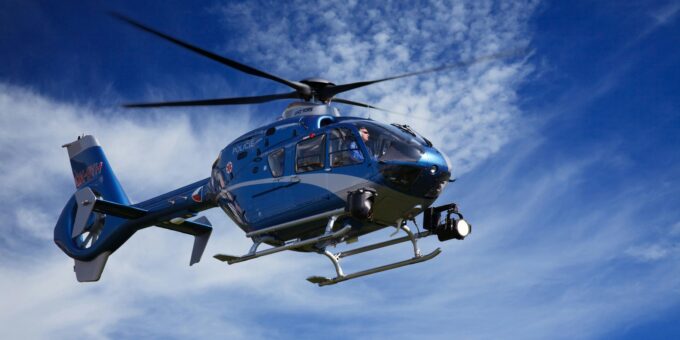
How to Search and Rescue Aircraft Are Used in Aviation Emergencies is a critical subject in modern aviation safety. When an aircraft goes missing, crashes, or makes an emergency landing, every minute matters. Search and rescue (SAR) aircraft are specifically deployed to locate survivors, provide immediate assistance, and coordinate emergency response.
Aviation emergencies can occur over land, sea, or remote terrain. In many cases, ground teams cannot reach the site quickly. This is where SAR aircraft become the primary life-saving tool. This guide explains how they operate, the technology they use, and why they are essential to global aviation safety.
What Are Search and Rescue Aircraft?
Search and rescue aircraft are fixed-wing airplanes, helicopters, and increasingly unmanned aerial vehicles used to locate and assist people in distress. In aviation emergencies, they respond to aircraft accidents, missing flights, forced landings, and ditching at sea.
To fully understand How to Search and Rescue Aircraft Are Used in Aviation Emergencies, it is important to know that these aircraft are designed for speed, endurance, and precision rather than passenger transport.
Common Types of SAR Aircraft
Fixed-wing SAR aircraft cover large search areas efficiently. Helicopters are used for close-range rescue, hoisting survivors, and medical evacuation. Drones support missions with real-time imagery and damage assessment.
How SAR Aircraft Respond to Aviation Emergencies
When an aviation emergency occurs, air traffic control alerts rescue coordination centers. SAR aircraft are then dispatched to the last known position of the aircraft in distress.
This rapid deployment is the foundation of How to Search and Rescue Aircraft Are Used in Aviation Emergencies.
Locating Missing or Crashed Aircraft
SAR aircraft use radar, satellite data, and emergency locator transmitters (ELTs) to narrow search areas. Visual scanning and infrared sensors help crews identify wreckage or survivors.
Agencies such as ICAO aviation search and rescue standards establish global procedures that guide these operations.
Survivor Assessment and Immediate Aid
Once survivors are located, SAR aircraft provide immediate support. Helicopters may lower rescue swimmers, deliver medical supplies, or evacuate injured passengers.
These actions often determine survival outcomes in remote or hostile environments.
Technology Used in SAR Aviation Emergencies
Technology plays a vital role in aviation SAR missions. Advances in sensors and communication systems have dramatically improved success rates.
Emergency Locator Transmitters and Satellites
Most aircraft carry ELTs that activate upon impact. Satellites detect these signals and relay coordinates to rescue teams. This system significantly reduces search time.
Organizations like COSPAS-SARSAT emergency beacon system provide global satellite coverage for distress signals.
Thermal Imaging and Night Operations
Thermal cameras detect heat signatures from survivors, even at night or in poor visibility. Night vision equipment allows SAR aircraft to operate safely after sunset.
Maritime Aviation Emergencies and SAR Aircraft
Many aviation emergencies occur over water. Ditching incidents require immediate response due to hypothermia and drowning risks.
Understanding How to Search and Rescue Aircraft Are Used in Aviation Emergencies includes recognizing their crucial role in maritime rescues.
Rescue Operations at Sea
Fixed-wing aircraft locate survivors and life rafts, while helicopters perform direct extraction. Coordination with rescue vessels ensures rapid evacuation.
Coast guard services like the US Coast Guard aviation rescue operations specialize in these missions.
Coordination Between SAR Aircraft and Ground Teams
SAR aircraft act as airborne command centers. They relay real-time information to ground units, hospitals, and emergency responders.
This coordination improves efficiency and prevents duplication of effort. It also ensures that medical resources are ready when survivors arrive.
Role of Military and Civilian SAR Aircraft
Both military and civilian organizations operate SAR aircraft during aviation emergencies. Each brings unique strengths.
Military SAR aircraft handle extreme conditions and long-range missions. Civilian SAR units focus on rapid response and routine emergencies.
This balance is similar to decision-making in an online business, where scalability and efficiency must align with mission goals.
Training and Crew Expertise
SAR missions require highly trained pilots, medical personnel, and rescue specialists. Crews undergo rigorous simulations and emergency drills.
This preparation ensures calm and effective action during high-pressure aviation emergencies.
Economic and Strategic Value of SAR Aviation
Investing in SAR aviation reduces long-term costs by saving lives and preventing extended search operations. Faster rescues mean fewer medical complications and lower recovery expenses.
The efficiency seen in SAR operations mirrors smart digital strategies such as affiliate marketing and dropshipping business models. Both rely on optimized systems to achieve better outcomes.
Just as entrepreneurs compare affiliate vs dropshipping to build passive income, aviation authorities evaluate SAR capabilities to maximize safety returns.
Challenges Faced During Aviation SAR Missions
Despite advanced technology, SAR missions face challenges. Severe weather, limited visibility, and vast search areas can delay operations.
Budget constraints and aircraft availability also affect response times. Continuous investment and international cooperation help address these issues.
Future Trends in Aviation Search and Rescue
The future of aviation SAR includes artificial intelligence, autonomous drones, and improved satellite tracking. These technologies will further reduce response times and increase mission success.
Data-driven decision-making will enhance coordination between countries and agencies.
Why SAR Aircraft Are Essential to Aviation Safety
Aviation safety does not end when an aircraft encounters trouble. SAR aircraft complete the safety chain by responding when prevention fails.
This reality defines How to Search and Rescue Aircraft Are Used in Aviation Emergencies as a cornerstone of global air travel safety.
Conclusion: A Lifesaving System That Never Sleeps
Search and rescue aircraft save lives when aviation emergencies occur. Their speed, technology, and trained crews provide hope in the most critical moments.
From locating missing aircraft to rescuing survivors at sea, their role is irreplaceable. Understanding How to Search and Rescue Aircraft Are Used in Aviation Emergencies highlights the importance of continued investment, training, and international collaboration.
For further reading, explore our internal guide on aviation search and rescue systems and how they support global air safety.
