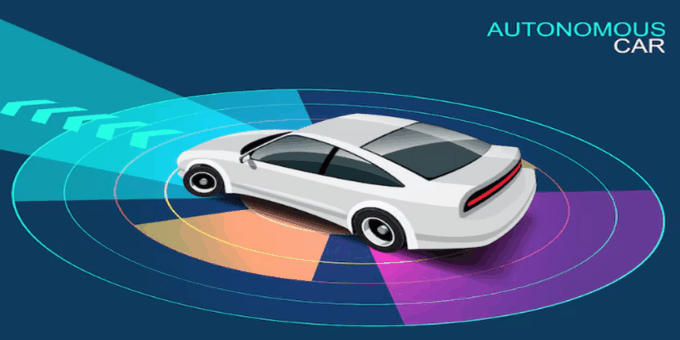
Understanding How to Use AI to Improve Car Safety Systems is essential as modern vehicles become more intelligent, connected, and automated. Artificial intelligence is now at the core of next-generation driving, helping reduce accidents, enhance driver awareness, and support autonomous driving features. As car manufacturers adopt AI technologies, road safety is reaching new levels of precision and reliability.
This guide explains exactly how AI works in car safety, what tools manufacturers use, and how AI-driven systems are shaping the future of transportation. Whether you run an automotive online business, a tech startup, or simply want to understand advanced driver assistance systems (ADAS), you’ll benefit from this in-depth breakdown.
Why AI Matters in Car Safety
Traditional automotive safety systems rely heavily on mechanical design and driver behavior. However, human error still accounts for over 90% of road accidents. AI drastically reduces these risks by predicting collisions, analyzing surroundings, and making decisions faster than humans can.
Before exploring How to Use AI to Improve Car Safety Systems, it’s important to understand the biggest benefits AI provides:
1. Real-Time Environment Awareness
AI analyzes input from cameras, radar, sensors, and LiDAR to understand surroundings instantly.
2. Predictive Analysis
Using machine learning, AI predicts dangerous situations before they happen, lowering accident probability.
3. Faster Reaction Time
AI responds in milliseconds, which is significantly faster than human reflexes.
4. 360-Degree Monitoring
AI never gets tired, distracted, or impaired. It monitors all angles continuously.
5. Reduced Operational Costs
AI helps reduce insurance claims, maintenance expenses, and accident-related financial losses.
To explore deeper automotive AI concepts, see this helpful guide from automotive AI safety resources.
Key Features Enabled by AI in Car Safety Systems
Let’s break down the systems that rely on artificial intelligence. These technologies show the true impact of How to Use AI to Improve Car Safety Systems.
1. Collision Avoidance Systems
AI evaluates speed, distance, and motion patterns to detect collision risks. Once a threat is detected, the vehicle can apply automatic braking, reduce engine power, or adjust steering.
- Forward collision warning
- Automatic emergency braking (AEB)
- Pedestrian and cyclist detection
These systems drastically reduce rear-end collisions and urban accidents.
2. Lane Keeping and Lane Departure Warnings
AI vision systems track road markings and detect when the vehicle drifts. If the driver is distracted or fatigued, the system provides alerts. In advanced vehicles, AI performs automatic lane corrections.
3. Driver Monitoring Systems
AI monitors blinking, head movement, posture, and even biometric signs to detect:
- Drowsiness
- Distraction
- Cognitive overload
- Unusual behavior (like health emergencies)
Some AI systems can even suggest breaks during long drives.
4. Adaptive Cruise Control
AI enhances cruise control by adjusting speed based on traffic patterns. It keeps safe distances, slows during congestion, and accelerates smoothly when the road clears.
5. AI-Based Parking Assistance
Parking becomes safer with technologies such as:
- Autonomous parallel parking
- Obstacle detection
- 360-degree vehicle camera views
- Parking spot detection
These systems reduce parking accidents and improve driver confidence.
6. Object and Traffic Signal Recognition
Using deep learning, cars identify:
- Stop signs
- Traffic lights
- Road hazards
- Animals or debris
Recognition technology is crucial for autonomous driving.
How to Use AI to Improve Car Safety Systems: Step-by-Step
Below is the practical roadmap for automakers, engineers, and innovators who want to integrate AI into vehicle safety systems.
Step 1: Collect High-Quality Data
AI requires vast amounts of data from sensors, cameras, and driver behaviors. Manufacturers collect:
- Real-world driving footage
- Traffic patterns
- Weather conditions
- Accident scenarios
Accurate data improves algorithm performance and safety.
Step 2: Use Machine Learning Models
ML models help vehicles understand patterns. Deep learning helps with vision recognition, and reinforcement learning helps improve real-time decision-making.
To learn more about automotive AI modeling, visit autonomous driving AI tools.
Step 3: Incorporate Advanced Sensors
AI requires reliable inputs. This includes:
- Radar
- LiDAR
- Ultrasonic sensors
- High-resolution cameras
Combining sensors improves accuracy through sensor fusion.
Step 4: Connect to Cloud and IoT Systems
Cloud connectivity improves safety through:
- Real-time hazard updates
- Weather alerts
- Traffic analysis
- Vehicle-to-vehicle (V2V) communication
Step 5: Deploy and Test AI on Real Roads
Testing AI ensures reliability. Manufacturers run millions of test miles using simulations and real-world driving scenarios.
Step 6: Update AI Systems Continuously
AI models improve through updates. Over-the-air (OTA) updates allow cars to gain new safety features automatically.
The Role of AI in Autonomous Driving Safety
Fully autonomous vehicles rely on high-level AI safety systems. These cars must detect, analyze, and respond to every possible situation on the road.
Key autonomous safety functions include:
- AI navigation and route optimization
- Accident prediction and automatic braking
- Sensor fusion for 360° awareness
- Real-time decision-making
- Human-like driving behavior
As autonomous systems evolve, learning How to Use AI to Improve Car Safety Systems becomes essential for car manufacturers worldwide.
Challenges of Using AI in Car Safety
Although AI enhances vehicle safety, it also introduces challenges:
- High development costs
- Complex regulatory standards
- Cybersecurity vulnerabilities
- Data privacy concerns
- Weather limitations for sensors
Despite these challenges, ongoing advancement makes AI safer and more reliable each year.
Top AI Tools Used in Car Safety Systems
Automakers rely on advanced AI platforms to build and maintain vehicle safety features.
1. NVIDIA DRIVE
Offers powerful computing systems for autonomous and AI-powered vehicles.
2. Tesla Autopilot AI
Processes millions of real-world driving miles for continuous improvement.
3. Intel Mobileye
Provides AI algorithms for collision detection and vision recognition.
4. Waymo Driver AI
Used in autonomous taxis and advanced driving prototypes.
5. Bosch AI for Mobility
Enhances braking, lane-keeping, and predictive emergency systems.
These platforms shape the future of AI-enhanced mobility.
The Future of Car Safety with AI
Car safety is rapidly evolving. AI systems will eventually predict accidents before they occur, communicate with city infrastructure, and create safer transportation ecosystems.
Future advancements include:
- Fully autonomous vehicles
- AI-controlled intersections
- Zero-collision smart roads
- Predictive driving assistants
- AI-optimized vehicle performance
As AI reshapes transportation, even industries like affiliate marketing, dropshipping business, and other online business models benefit, since automotive content and technology niches generate high passive income potential. Comparing affiliate vs dropshipping shows how AI tools enhance both fields. Content creators focusing on advanced technologies like AI car safety see higher ECPM and stronger engagement.
Final Thoughts
Modern vehicles rely heavily on AI to reduce accidents, improve driver performance, and enhance safety. Understanding How to Use AI to Improve Car Safety Systems helps manufacturers, developers, businesses, and drivers prepare for the future of intelligent mobility.
AI continues to transform transportation, making roads safer for everyone. To stay updated with safety innovations, visit vehicle safety research platforms and follow automotive AI technology updates.
