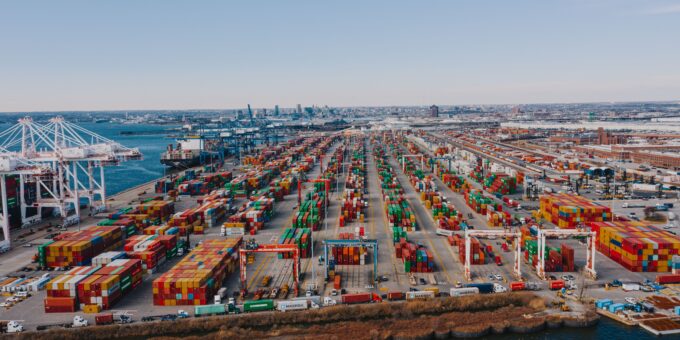
In today’s interconnected world, How Supply Chain Disruptions Affect the Economy has become one of the most important topics for businesses, governments, and consumers. Modern supply chains connect manufacturers, suppliers, logistics providers, retailers, and customers across multiple countries. When one part of this network is disrupted, the effects can quickly spread across industries and economies.
From natural disasters and geopolitical conflicts to pandemics and transportation bottlenecks, supply chain disruptions have highlighted the importance of resilient global trade systems. Understanding How Supply Chain Disruptions Affect the Economy helps businesses make informed decisions while preparing for future challenges.
What Is a Supply Chain?
A supply chain is the complete network involved in producing and delivering a product or service. It includes sourcing raw materials, manufacturing, transportation, warehousing, distribution, and retail sales.
Modern supply chains rely on international cooperation. Components for a single product may come from several countries before reaching the final customer.
To learn more about global trade and logistics, visit the World Bank, which provides research on international trade and economic development.
Why Supply Chain Disruptions Matter
How Supply Chain Disruptions Affect the Economy goes far beyond delayed deliveries. These disruptions influence production costs, employment, inflation, consumer confidence, and business profitability.
When manufacturers cannot obtain essential materials, production slows or stops. Retailers may experience inventory shortages, while consumers often face higher prices and longer waiting times.
Major Causes of Supply Chain Disruptions
1. Natural Disasters
Earthquakes, hurricanes, floods, and wildfires can damage factories, ports, roads, and transportation networks. Even localized disasters can interrupt global production because many industries depend on specialized suppliers.
2. Global Health Crises
The COVID-19 pandemic demonstrated how quickly worldwide supply chains can be disrupted. Factory shutdowns, labor shortages, and transportation restrictions affected nearly every industry.
3. Geopolitical Tensions
Trade disputes, sanctions, military conflicts, and political instability can restrict international commerce. Businesses may need to identify alternative suppliers or adjust production strategies.
4. Transportation Bottlenecks
Shipping delays, port congestion, container shortages, and rising freight costs reduce the efficiency of global trade. These challenges increase costs throughout the supply chain.
5. Cybersecurity Threats
As supply chains become more digital, cyberattacks pose increasing risks. Ransomware attacks on logistics companies or manufacturers can temporarily halt operations and disrupt deliveries.
How Supply Chain Disruptions Affect the Economy
Higher Inflation
One of the most visible consequences of How Supply Chain Disruptions Affect the Economy is rising inflation. When goods become scarce, prices often increase due to limited supply and strong consumer demand.
Higher transportation and manufacturing costs are frequently passed on to consumers, contributing to broader inflationary pressures.
Reduced Economic Growth
Manufacturing delays reduce industrial output and limit business expansion. Lower production contributes to slower GDP growth, especially in economies that depend heavily on exports.
Business Uncertainty
Companies facing unpredictable supply chains often postpone investments or expansion plans. This uncertainty affects hiring, capital spending, and long-term strategic planning.
For additional insights into economic resilience, visit the International Monetary Fund (IMF).
Employment Challenges
Production interruptions may reduce working hours or lead to temporary layoffs in affected industries. At the same time, sectors such as logistics and warehousing may experience labor shortages due to increased demand.
Lower Consumer Confidence
Persistent shortages and higher prices reduce consumer purchasing power. As households spend more on essential goods, discretionary spending often declines.
Industries Most Affected
Automotive Manufacturing
Automakers rely on thousands of components from suppliers worldwide. Semiconductor shortages demonstrated how a single missing component can delay vehicle production.
Healthcare
Hospitals and healthcare providers depend on reliable deliveries of medical equipment, pharmaceuticals, and protective supplies. Supply interruptions may affect patient care.
Retail
Retailers face inventory shortages, delayed seasonal products, and increased transportation expenses. These challenges directly affect customer satisfaction.
Food and Agriculture
Weather events, fertilizer shortages, transportation delays, and labor constraints can influence food production and distribution, affecting prices globally.
How Businesses Can Reduce Supply Chain Risks
Diversify Suppliers
Depending on a single supplier increases vulnerability. Businesses that work with multiple suppliers in different regions improve operational resilience.
Invest in Technology
Artificial intelligence, predictive analytics, and supply chain management software provide better visibility into inventory levels and transportation performance.
Explore global supply chain research through the World Economic Forum.
Increase Inventory Reserves
Many companies now maintain strategic inventory rather than relying entirely on just-in-time delivery systems.
Strengthen Local Manufacturing
Nearshoring and regional production reduce dependence on distant suppliers while shortening delivery times.
You may also find our article on The Hidden Factors Driving Global Economic Growth helpful for understanding broader economic trends.
The Role of Governments
Governments support resilient supply chains by investing in transportation infrastructure, digital systems, workforce development, and international trade cooperation.
Policies that encourage domestic manufacturing while maintaining open trade relationships help reduce future disruptions.
Technology Is Transforming Supply Chains
Digital transformation continues to improve supply chain visibility. Businesses increasingly use cloud computing, Internet of Things (IoT) devices, blockchain, and artificial intelligence to monitor shipments and predict potential delays.
These technologies allow organizations to respond faster when disruptions occur.
Future Trends
Several trends are shaping the future of global supply chains:
- Greater supplier diversification
- Regional manufacturing expansion
- Artificial intelligence for demand forecasting
- Automation and robotics
- Sustainable logistics practices
- Improved cybersecurity measures
- Digital supply chain visibility
Conclusion
How Supply Chain Disruptions Affect the Economy is a critical issue that influences businesses, consumers, and governments worldwide. Supply chain interruptions contribute to inflation, slower economic growth, production delays, and increased uncertainty.
Organizations that diversify suppliers, invest in technology, strengthen logistics networks, and build resilient operations will be better prepared for future challenges.
